

The 8th Annual Scientific Conference and AGM
24th October 2025
From Symptoms to System: Bridging the Neuro GAP
Venue: Hotel Africa
Registration Fees: 100,000/=
The 8th Association of Physicians of Uganda Annual Scientific Conference and AGM
24 Oct 2025 Hotel Africa, Kampala
Theme: From Symptoms to System: Bridging the Neuro GAP
Get Your Certificate of Attendance

Lydia Nakiyingi
President, Association of Physicians of Uganda
Dear Colleagues,
On behalf o the APU Executive Committee and myself, I warmly welcome you to the 8th Association of Physicians of Uganda Annual Scientific Conference and AGM.
Thank you for taking the time to attend, especially those who have travelled from upcountry. Your commitment keeps our community strong.
This year’s time, “From Symptoms to Systems: Bridging the Neuro Gap,” focuses on an important part of our work, which invites us to look deeper into neurogical health; form understanding clinical symptoms to strengthening systems that support diagnosis, care, and prevention. The program provides practical insights to help improve patient outcomes and inform more effective health policies, and we hope you find it valuable.
We appreciate our speakers, partners, and sponsors for their continued support.
Wishing you a fruitful and engaging conference.
SUB-THEMES
Stroke: Updated guidelines
Epilepsy: Novel therapies
Infectious Neurology: Advances
HIGHLIGHTS
The 8th Annual Scientific Conference & AGM brought together over 100 scientists, physicians, physicians-in-training, policymakers and practitioners mainly from Uganda as well as attendees from across the globe. The main theme of the conference revolved around bridging the gap of neurological care in Uganda, with emphasis centred around recent advances in management of stroke, epilepsy and neurological infections. The conference featured keynote addresses from accomplished neurologists, physicians, expert clinicians and policy makers as well as research abstract presentations, panel discussions, and poster presentations with participants showcasing innovative research to solve clinical challenges pertaining neurological care in Uganda.
The guest of honour was Dr. Rony Bahatungire, the commissioner for clinical services at the Ministry of Health, Uganda. The conference was concluded with the Association of Physicians of Uganda annual general meeting where committee members who will champion the activities of the association for the next two years were elected. The conference emphasized; the urgent need for expanded neurology training programs, greater investment in diagnostic infrastructure such as EEG, EMG, MRI etc.,translation of Ugandan clinical research into practice and policy and Physician wellness and mental health as critical to sustaining professional performance. This report summarizes the key insights, discussions, and outcomes from the sessions attended at the conference.
The President of the APU, Dr. Lydia Nakiyingi, welcomed the guest of honour, invited guests and delegates to the conference. She highlighted the importance of this year’s neurological focus and the need to bridge the gap between clinical practice, academic research, and policy. She thanked the organizing committee for working tirelessly to ensure that this conference would be a success as well as the sponsors for their support. She encouraged and welcomed everyone to enjoy the insightful sessions, have excellent deliberations, gain knowledge and new ideas, create successful collaborations & networking, and get re-energized passion. The event was officially opened by APU executive committee and attended by leaders from the Ministry of Health, Makerere University College of Health Sciences, the Uganda Medical and Dental Practitioners Council (UMDPC), and doctors from Uganda and beyond.
Dr. Rony Bahatungire highlighted the heavy burden of neurological disorders, which account for about 43% of disability-adjusted life years in the global NCD spectrum. He called for an integrated public health approach addressing both communicable and non-communicable causes of neurological disability. He emphasized the inequities in access to neurology services, limited availability of diagnostics, and shortage of super-specialist doctors in Uganda. He challenged physicians to engage in policy-relevant research and ensure findings inform national health strategies rather than remaining unpublished academic exercises. He also commended APU’s leadership in professional education and re-iterated governments’ support, through the Ministry of Health, in specialist training programs, creating conducive work environment and setting up a robust health care system tailored to addressing the needs of the population.
Dr. Kisuule Ivan, representing the UMDPC, provided national workforce data; Uganda has 110,175 registered doctors but only 298 physicians and just 5 neurologists. He emphasized the need to expand fellowship training sites and strengthen partnerships between APU, UMDPC, and academic institutions. He also addressed the issue of ‘fitness to practise’ and the management of impaired doctors, highlighting the council’s evolving policy on balancing accountability with empathy. UMDPC is committed to supporting APU’s initiatives for accreditation of more super-specialist training sites.
SCIENTIFIC SESSIONS
Dr. Morris K Rutakingirwa
Presentation
Welcome remarks to the conference where given by Dr. Ezra Nnunda, who thanked the sponsors, delegates present and the APU scientific committee for organizing this conference. He invited the members to have fruitful discussions, and networking during the conference.
Dr. Ogwal Emmanuel presented a clinical case that highlighted a patient with haemorrhagic stroke who necessitated neurosurgical intervention. This clinical case highlighted the importance of swift multidisciplinary care that is necessary to achieve good outcomes in patients presenting with neurological emergencies and set a good baseline for the rest of the presenters.
Dr. Andrew Peter Kyazze gave a presentation about recent advances and evidence-based practices for stroke diagnosis and management; he highlighted key advances in regards to stroke diagnostics, thrombolysis, thrombectomy, timing of anticoagulation in patients with ischemic stroke and atrial fibrillation, and highlighted indications for neurosurgical intervention for patients with stroke.
Dr. Joel Kiryabwire invited Dr. Micheal Ogwal, a neurosurgeon, who gave a keynote presentation about ‘when a patient with stroke needs a neurosurgeon’. He highlighted the importance of neurosurgical interventions in improving outcomes for carefully selected eligible patients with stroke and expounded on why the timing of the intervention is critical.
Mr. Derrick Mugisha presented his paper on ‘AI-supported community stroke risk screening’. His work showed how one can use routine patient data to develop a locally-adapted tool that can predict who is at a higher risk of stroke in the community, emphasizing how clinicians can better utilized technology for prevention of disease.
Dr. Anthony Bamwine presented work on hypertension in Uganda. This work is spearheaded by Prof. D’Arbela is about long term outcome and follow up and outcomes of patients with hypertension at Nsambya hospital; he highlighted how hypertension control is poor in nearly 20% of the patients and nearly 30% have had a complication of hypertension in 5 years of follow up with heart failure being the most common complication encountered in this cohort of patients.
Panel Discussion & Outcome
The discussion centered around the prevention and critical management decisions for a patient with stroke; Dr. Jane Nankabirwa inquired whether there is recent data about whether a high HDL is predictive for development of stroke. The panellist, Dr. Andrew Kyazze attested that HDL is traditionally known for being protective against cardiovascular outcomes, rather than it being predictive for development of stroke when it is high. However, subgroup analyses of local data have shown this trend.
The discussion then centred around the benefit of citicoline in patients with stroke; the panellist advised that although it had a neutral effect observed in the ICTAL trail, subgroup analysis demonstrated benefit among patients who did not receive thrombolysis, with NIHSS score > 15 and in-whom it had been initiated within 48 hours of the event. Dr. Davis Kibirige inquired about the available stroke imaging diagnostics currently in Uganda with the consensus being that although multi-model imaging is available, perfusion imaging is not currently available. This is thought to be a software problem with a few centres currently having the necessary hardware to do it and there is hope it will be available in the near future.
A few delegates inquired whether/how thrombectomy for ischemic stroke is actually performed with the panellist guiding that is an endovascular procedure that carries lower risk compared to chemical thrombectomy and advised that we should work towards attaining more expertise to carry out this procedure in the country. He further guided that physicians should always request for brain imaging to assess progress in patients with strokes.
Dr. Mugerwa Oscar raised the issue of using anti-seizure prophylaxis among patients with stroke; the panellist guided that this is not backed up by data/evidence but it’s because of our local environment; response time following a seizure, presence of health personnel on ward etc are all metric where we score quite poorly, so its imperative we prevent the seizure in at-risk patients.
Dr. Oscar Mugerwa
Presentation
Dr. Ahmed Ddungu presented an intriguing case of HIV associated neurocognitive disorder. The patient, a 45-year-old woman present with progressive cognitive decline and ataxia, with neuroimaging showing HIVrelated leukoencephalopathy. Despite management, only mild improved was noted in terms of mentation and the patient’s quality of life remained belowpar. This case illustrates the life limiting complications that are common in older persons living with HIV.
Dr. Nicholas Kulaba presented his abstract titled, ‘systemic inflammation and oxidative stress with stroke mortality among patients admitted in a tertiary hospital in Uganda’. This prospective cohort study conducted at Mbarara RRH showed that elevated CRP and hyperglycaemia are strong predictors of early stroke mortality in our setting. This calls for integration of inflammatory biomarker testing in acute stroke management.
Dr. Joseph Malesh presented his abstract titled, ‘Incidence and predictors of drug resistant epilepsy at Mbarara regional referral hospital epilepsy clinic’. This study showed a high incidence of drug resistant epilepsy in our setting with late presentation, and family history of epilepsy being predictors for development of drug resistant epilepsy.
Prof. David Meya gave a keynote presentation on rational approach to diagnosis and management of meningitis, highlighting what is new in this field. He emphasized the predominance of cryptococcus, as the most prevalent aetiology of meningitis in our setting, highlighted the emerging use of the semi-quantitative Crag LFA to determine the cryptococcal antigen titre, highlighted emerging TB diagnostics, stressed the emerging resistance to antifungal drugs, highlighted emerging novel antifungal drugs that could alter the paradigm of management of fungal infections, expounded on the critical importance of managing raised ICP in patients with cryptococcal meningitis, and emphasized the dysregulated inflammatory responses encountered in patients with meningitis, emphasizing how the focus should shift to determine which patients are in a hyperinflammatory state and need steroids versus those that are in a hypo-inflammatory state and need interferon.
Panel Discussion & Outcome
The delegates noted that there are limited diagnostics for CSF which hampers the diagnostic process and potentially contributes to poor patient outcomes.
Prof. David Meya, the head of department of internal medicine, encouraged the delegates to join and support the centennial cerebrations of Makerere University College of Health sciences scheduled on 12th December with a goal to revamp the Davis lecture theatre. he argued that delegates should view this as giving back to the place that natured them into the physicians they have turned out to be. He implored delegates to contribute to this occasion by participating in a run, booking a place at a dinner table, among others.
Panel discussion was cut short due to time.
Dr. Morris K Rutakingirwa
Presentation
Dr. Francis Ssali presented a case that highlited neurological complications following bone marrow transplant; this case involved a 15-year-old post sickle cell transplant patient who developed seizures secondary to posterior reversible encephalopathy syndrome (PRES) that was due to transplant associated thrombotic microangiopathy (TA-TMA). Management with eculizumab led to recovery, highlighting the role of complement inhibition in such cases.
Dr. Martin Kaddumukasa enlightened the delegates on the epidemiology of epilepsy. He highlighted that 80% of persons with epilepsy reside in low- and middle-income countries like Uganda, who incidentally have a very high epilepsy treatment gap, with nearly 75% of patients with epilepsy with poorly controlled seizures in our setting.
He further presented findings from a recently conducted study analysing the prevalence of epilepsy in Uganda; which stands at 1.69%, translating to nearly 775,000 people living with epilepsy. He further emphasized gaps in treatment of epilepsy in our setting.Dr. Adrian Kayanja gave a keynote presentation about using an EEG for targeted therapy and future prospects. He explained and emphasized why a routine EEG will only pick seizure activity in 30% of the time, but however cautioned why it must always be done whenever opportunity arises and serial EEGs are sometimes mandatory. He illuminated on determining the epileptiform zone to guide surgical therapy for epilepsy, expounded on more pitfalls of a scalp EEG, when to do electrocorticography, and the role physicians ought to play in selection of epilepsy patients for non-pharmacological therapy.
Prof. Neoline Nakasujja gave a presentation on how physicians can make a difference for patients with dementia; she highlighted on how to make a diagnosis of dementia, investigations are necessary to exclude the reversible causes of dementia, she expounded on why not to lead with pharmacotherapy but rather dwell on explaining to the family first, and she highlighted the qualities that embody a physician who makes a difference for a patient with dementia.
Dr. Oriba Dan Langoya presented his abstract titled, ‘prevalence of dementia among older persons in Northern Uganda’. This study found that 17.7% of older persons had dementia with family history of dementia, advanced age, and history of depression being predictive for development of dementia whereas physical activity was very protective. This study highlights actionable strategies we could implement now to reduce the future risk of developing cognitive impairment.
Dr. Isaac Turyasingura, wrapped up the session with his abstract presentation titled, ‘Clinical characteristics and factors associated with multiple anti-epileptic drug use among adult patients with epilepsy at Mulago NRH’. This Mulago based study of 341 patients revealed that half were on multiple drugs but still had poor seizure control. Common anti-epileptic drug combinations like carbamazepine and sodium valproate were used sub-optimally. The study urged rational titration before introducing polytherapy.
Panel Discussion & Outcome
VIDEO
SPONSORS


SCIENTIFIC SESSIONS
Session 1-Stroke Guideline Updates
- Advances in Neuroimaging Dr. Nyakake Juliet
- Joseph Malesh
- Carotid slides Komakech David
- MG talk - Dr. Salvatore Ssemmanda
- Mugisha Derrick
- Naso B12 & Stroke RV - Dr. Orionga Moses
- Neurologic Disease HTN Burden AnthonyBamwine
- stroke case - Dr. Ogwal Emmanual
- Stroke epidemiology - Andrew Peter Kyazze
- Stroke evaluation and management - Andrew Peter Kyazze
Session 2-Infectious Neurology; Advances
Session 3- Epilepsy Novel Therapies
Posters
- A Rare Case of Ischemic Stroke Secondary to Polycythemia with Rapid Resolution After Phlebotomy
- The Incidence of Acute Kidney Injury, its Predictors and 30-Day Outcomes Among Stoke Patients Admitted at Mbarara Regional Referral Hospital
- Prevalence and Factors Associated with Non-Adherence to Antiepileptic Drugs Among Patients Attending the Epilepsy Clinic at MRRH
- Neurological Tragedies Due to Atrial Fibrillation
SCIENTIFIC SESSIONS
Session 1-Stroke Guideline Updates
- Advances in Neuroimaging Dr. Nyakake Juliet
- Joseph Malesh
- Carotid slides Komakech David
- MG talk - Dr. Salvatore Ssemmanda
- Mugisha Derrick
- Naso B12 & Stroke RV - Dr. Orionga Moses
- Neurologic Disease HTN Burden AnthonyBamwine
- stroke case - Dr. Ogwal Emmanual
- Stroke epidemiology - Andrew Peter Kyazze
- Stroke evaluation and management - Andrew Peter Kyazze
Session 2-Infectious Neurology; Advances
Session 3- Epilepsy Novel Therapies
Posters
- A Rare Case of Ischemic Stroke Secondary to Polycythemia with Rapid Resolution After Phlebotomy
- The Incidence of Acute Kidney Injury, its Predictors and 30-Day Outcomes Among Stoke Patients Admitted at Mbarara Regional Referral Hospital
- Prevalence and Factors Associated with Non-Adherence to Antiepileptic Drugs Among Patients Attending the Epilepsy Clinic at MRRH
- Neurological Tragedies Due to Atrial Fibrillation
PROGRAM

OUR SPONSORS
ORGANIZING COMMITTEE

Martin Kaddumukasa
Physician, Neurologist. Guest Speaker

Adrian Kayanja
Physician, Neurologist. Guest Speaker
Lydia Nakiyingi
APU President, Panelist
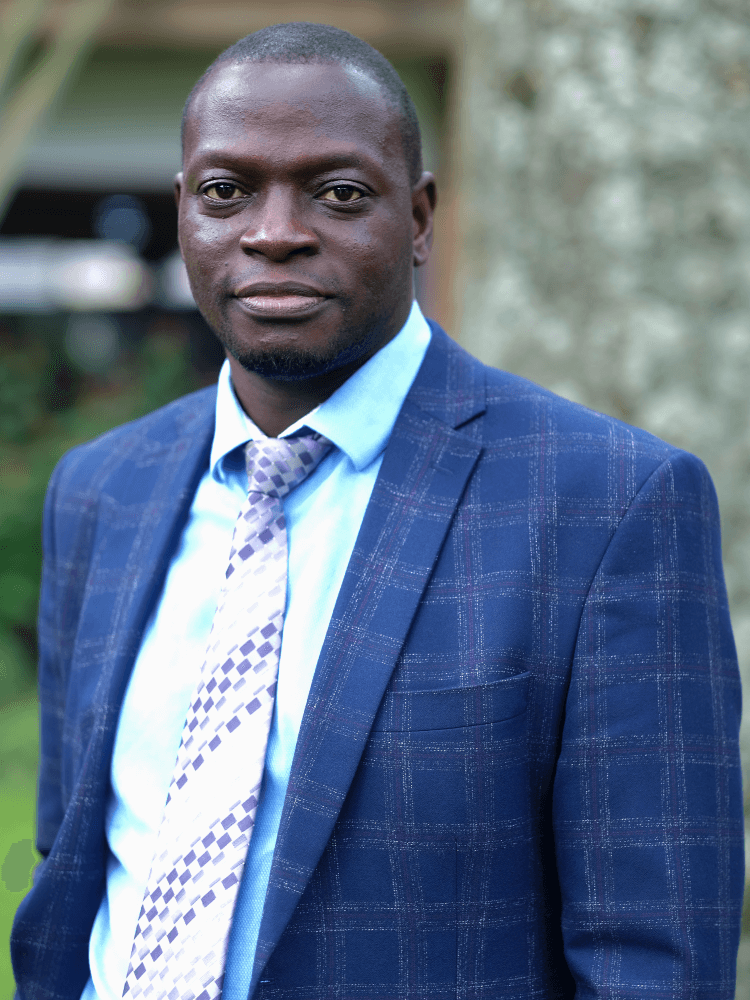
Anthony Muyingo
Chair Scientific Committee, Panelist

Ezra Nnunda
Physician. APU Commiteee Member, Panelist

Jil Ganatra
Makerere Medicine Society, Session moderator